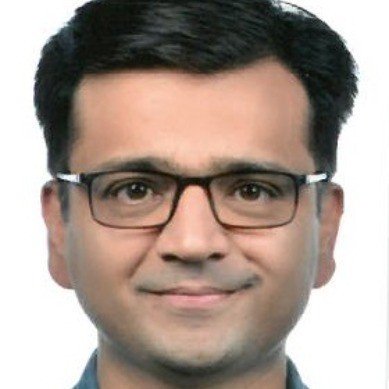
Dr. Sameer Mirza
Assistant Professor United Arab Emirates University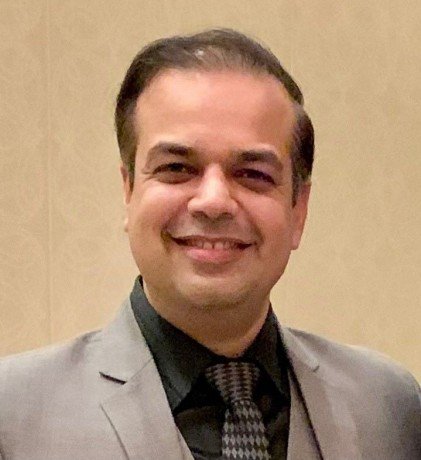
Additional Details
Dr. Sameer Mirza is currently an Assistant Professor in the College of Science at United Arab Emirates University (UAEU), Al Ain, Abu Dhabi, UAE. He has more than 15 years of research experience in cancer biology, particularly Breast cancer.
He pursued his Ph.D. from the premier institute All India Institute of Medical Sciences (AIIMS), New Delhi. His work was focused on identifying novel molecular screening/diagnostic strategies for risk assessment, early detection, and monitoring the prognosis of breast cancer. Subsequently, he pursued a postdoctoral fellowship at the University of Nebraska Medical Center in Omaha, Nebraska, USA. Over 14 years at UNMC, he was initially the Susan G Komen fellow and became Assistant Professor.
His work was focused on two molecules, Transcriptional Alteration/Deficiency in Activation (TADA/ADA) 3, an estrogen receptor coactivator part of the SAGA and ATAC complex. He demonstrated its role in maintaining genomic instability, DNA repair process, and histone acetylation. This protein was also overexpressed in Breast cancer. The second molecule is known as Ecdysoneless (ECD). He made some original discoveries regarding the functions of ECD as an essential part of RNA processing machinery, including conversion of pre-mRNA to mRNA, splicing, and RNA export machinery. He also generated a doxycycline-induced mammary-specific ECD transgenic mice model, identifying its role in breast cancer.
He joined UAEU in September 2022. His lab focuses on two major research areas: therapy resistance and metastasis and underlying pathways. Additionally, his lab is also working on establishing the patient-derived tumor organoids (PDTO) from the Emeriti population recapitulating the heterogenous nature of breast cancer and will possess a vast potential to be used for assessing the therapy response as well as for novel drug screening.
Dr. Mirza has published in high-impact journals, including Oncogene, Cancer Research, and Molecular Cancer Therapeutics. He is also a recipient of several national and international grants. He has presented his work at leading international conferences and remains an active member of several cancer, immunology, cancer, and genomics societies.